Pattern, Mechanism, and Precision in Chinese Herbal Medicine
By Greg Zimmerman
The classical literature of Traditional Chinese Medicine (TCM) describes effective treatments that rely less on disease names and more on recognizing characteristic presentations and underlying pathological mechanisms, articulated as patterns of disease. Addressing the pattern of disease in an individual results in a therapeutic effect for varying presenting complaints.
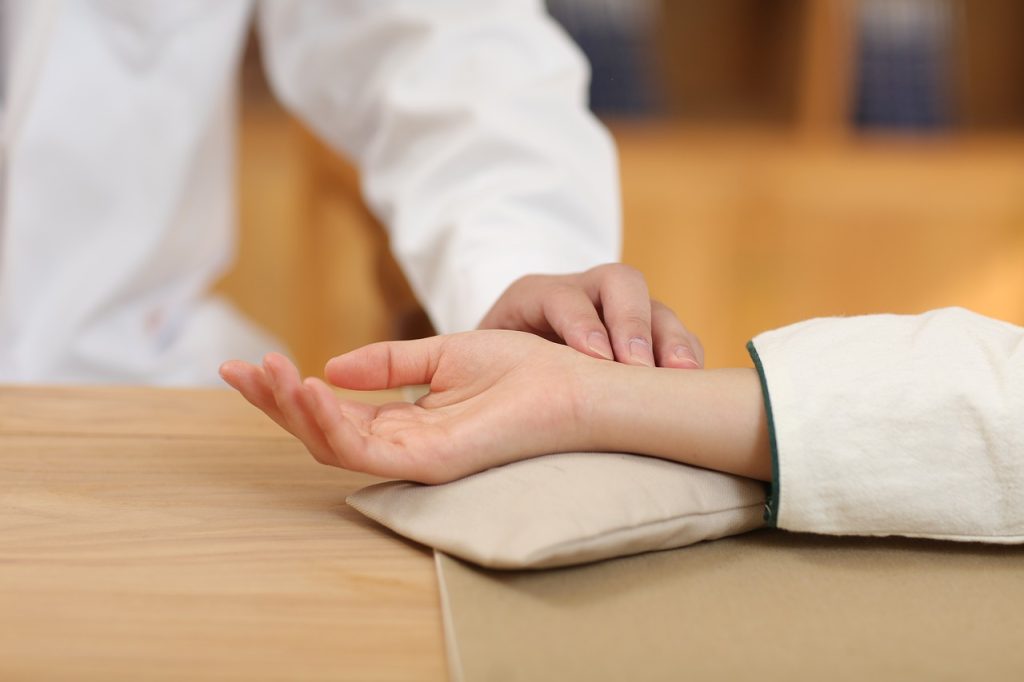
Whether a condition is acute or chronic, simple or complex, clearly diagnosed, or still undefined, TCM begins by observing the body’s condition in the present moment through diagnostic assessments. From these observations, a pattern of disease emerges that reflects not only the symptoms but also the pathological mechanisms that create them.
Varying disease conditions are treated according to identified patterns
Examples of this are treating a taiyang wind‑strike pattern (taiyang zhong feng 太陽中風) with the classic formula Cinnamon Twig Decoction (Gui Zhi Tang 桂枝湯) from On Cold Damage (Shang Han Lun 《傷寒論》) or treating a case of sudden facial paralysis with Lead to Symmetry Powder (Qian Zheng San 牽正散) for facial paralysis with deviation of the eyes and mouth (kou yan wai xie 口眼歪斜). In these examples, the formulas are not used to treat indications devoid of an identified pattern of disease; rather, they are used to treat the pattern of disease and the pathological mechanisms that create the signs and symptoms. An identified pattern of diseases facilitates formula selection, and proper formula selection results in the implementation of an appropriate therapeutic strategy for the patient. For example, When chills and fever, body pain, aversion to wind, nasal congestion, spontaneous sweating, and a floating, moderate pulse are observed, Cinnamon Twig Decoction (Gui Zhi Tang 桂枝湯) governs this taiyang wind‑strike pattern, as described in On Cold Damage (Shang Han Lun 《傷寒論》). Sudden facial paralysis with deviation of the eyes and mouth following a channel‑stroke pattern, in which channel qi (jing qi 經氣) is obstructed and wind‑phlegm blocks the collaterals, calls for Lead to Symmetry Powder (Qian Zheng San 牽正散). This formula, recorded in Yang’s Family Formulary (Yangshi Jiazhang Fang 《楊氏家藏方》), treats wind‑phlegm obstructing the channels with facial deviation (kou yan wai xie 口眼歪斜). An identified pattern of disease facilitates formula selection, and appropriate formula selection realizes a coherent therapeutic strategy for the patient. However, patients often present with an unique arrangement of signs and symptoms due to the pathogenic factors present in their ongoing health condition, and treatments for signs and symptoms need to be based on the pathological factors at play for the individual. As articulated in the Yellow Emperor’s Inner Canon (Huangdi Neijing 《黃帝內經》), “When physicians treat disease, the same disease may be managed in different ways, yet all can reach recovery”「醫之治病也,一病而治各不同,皆愈何也?」《素問・異法方宜論》.
This idea later developed into the well‑known principles of treating the same disease with different methods and treating different diseases with the same method, known as tong bing yi zhi 同病異治 and yi bing tong zhi 異病同治. This principle remains central today and is especially instrumental when working with patients whose conditions do not fit neatly into diagnostic categories or respond predictably to standardized treatments, a situation that can commonly occur due to various factors, such as medications, adverse treatment effects, surgery, trauma, diet, mental disorders, and climacteric issues that complicate health conditions.
Formulas as Strategic Actions, Not Fixed Prescriptions
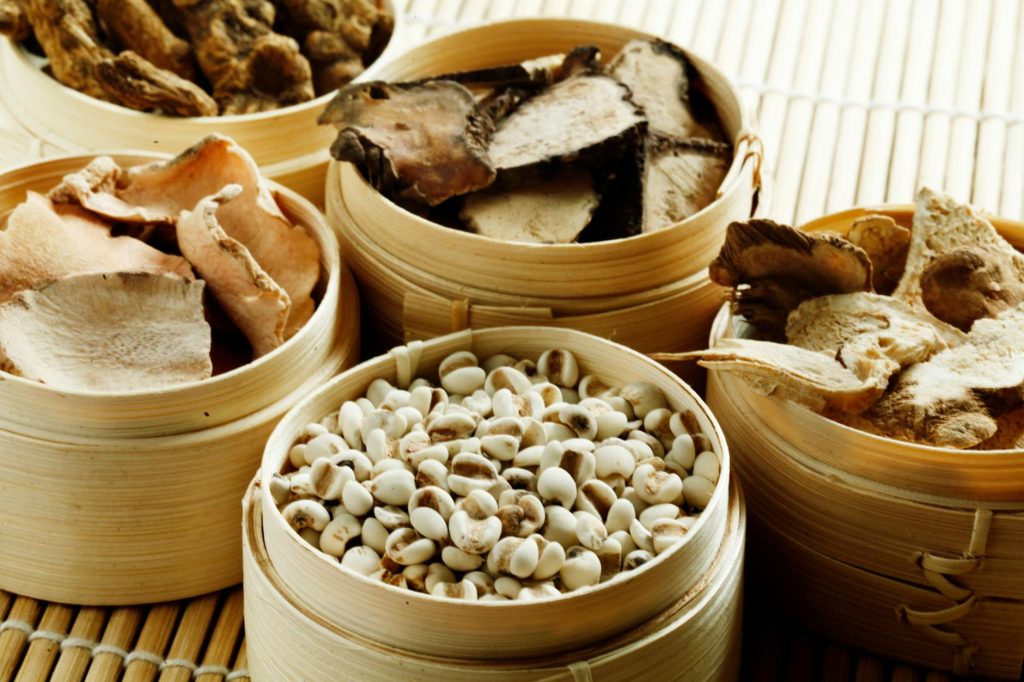
An established Chinese medicinal herbal formula is not simply a collection of medicinal herbs but a structured unit of therapeutic medicinal actions. Each formula delivers a defined therapeutic action designed to address particular pathological mechanisms. To more fully understand a formula, it requires an understanding of how and why its constituent herbs work together to produce its therapeutic action. This is the study of herbology, which includes understanding a medicinal herb’s medicinal properties, how it works in combinations with other medicinal herbs, dosing, and the effects of processing.
Learning formulas in this manner is similar to learning actions and potentials rather than rigid rules. When we understand what a formula does, how it moves, warms, harmonizes, drains, protects, or anchors, we gain the freedom to apply it precisely, modify it appropriately, and combine it judiciously.
Mechanism Over Appearance
Symptoms are indispensable guides, but they are not the target of treatment. Multiple pathological mechanisms can give rise to similar clinical presentations, and treating symptoms without addressing their causes risk incomplete, temporary, or adverse results.
This idea is articulated in the Huangdi Neijing: “Those who grasp the essential can sum it up in a single phrase; those who do not scatter without end.” 「知其要者,一言而終;不知其要,流散無窮。」《素問・至真要大論》。 In practice, this means that while signs and symptoms help us recognize a disease process, treatment must be directed toward the mechanisms that generate them.
Clinical Reality: Patterns Are Rarely Singular
In real-world practice, patterns frequently overlap. Patients may present with combined disease patterns and concurrent pathogenic factors. For example consider a patient that presents with combined greater yang disease (taiyang bing 太陽病) and greater yin disease (taiyin bing太陰病), who concurrently presents with blood stasis and palpable masses. In such cases, a single formula that fully captures the complexity of the presentation may not exist.
Classical medicine has anticipated this reality. The Shang Han Lun (傷寒論) explains, “Observe the pulse and manifestations, determine where the disorder has deviated, and treat accordingly”「觀其脈證,知犯何逆,隨證治之。」《傷寒論・辨太陽病脈證并治》 Here, treatment follows observation, which extends beyond symptoms alone to include the pulse, bodily responses, and the trajectory of illness. The Neijing reminds us, “If pathogenic qi lingers and does not depart, how can upright qi possibly recover?”「邪氣留而不去,正氣安得復?」《素問・評熱病論》Neglecting the contributing pathological factors, whether an external constraint, internal deficiency, or static obstruction, can undermine the entire therapeutic effort. This is where formula theory becomes multidimensional. Clinicians must consider:
- whether formulas should be combined or sequenced
- how dosing alters therapeutic emphasis
- which pathological factors must be addressed first
In these situations, pulse and abdominal findings frequently provide decisive clues for treatment.
When Classical Reasoning Leads to Unexpected—but Precise—Formulas
This mode of reasoning also explains why certain classical formulas, often overlooked or misunderstood, can be highly effective in modern clinical contexts when the patterns and underlying mechanisms are correctly identified, but the signs and symptoms or even disease names are not commonly associated with the formula and are effectively treated.
Take, for example, the application of Coix, Aconite, and Patrinia Powder (Yi Yi Fu Zi Bai Jiang San 薏苡附子敗醬散), a formula recorded in Essential Prescriptions of the Golden Cabinet (Jin Gui Yao Lue 《金匱要略・瘡癰腸癰浸淫病脈證并治第十八》), which is applied to dermatological conditions with scaling. The Essential Prescriptions of the Golden Cabinet (Jin Gui Yao Lue 《金匱要略》) states, “In intestinal abscess disease, the body is rough like fish scales, the abdominal skin is tight; pressing feels soft as if swollen, there is no palpable mass, the body is slightly hot and the pulse is rapid—this indicates the presence of pus, and Coix, Aconite, and Patrinia Powder governs”「腸癰之為病,其身甲錯,腹皮急,按之濡如腫狀,腹無積聚,身微熱,脈數,此為有膿,薏苡附子敗醬散主之。」《金匱要略・瘡癰腸癰浸淫病脈證并治第十八》Through addressing this pattern of internal abscess and damp‑heat with yang deficiency, Coix, Aconite, and Patrinia Powder (Yi Yi Fu Zi Bai Jiang San 薏苡附子敗醬散) is often applied to dermatological conditions such as eczema or psoriasis with rough, scaling skin and oozing lesions, provided the abdominal and pulse findings match the classical description.
Clinically, this may be observed as follows:
- rough, scaly skin
- tight abdominal skin that feels soft and swollen to the touch
- no abdominal mass
- fever
- rapid pulse
Under these circumstances, Coix, Aconite, and Patrinia Powder (Yi Yi Fu Zi Bai Jiang San 薏苡附子敗醬散) is a precise choice. Its strategy is not to “treat a skin disease,” but to expel pus, reduce abscesses, warm yang, and disperse clumping, thereby restoring the body’s ability to resolve pathologens. When this internal mechanism is addressed, external manifestations may improve without direct local intervention.
Coix, Aconite, and Patrinia Powder (Yi Yi Fu Zi Bai Jiang San 薏苡附子敗醬散)
- Yi Yi Ren (薏苡仁)
- Zhi Fu Zi (製附子)
- Bai Jiang Cao (敗醬草)
Another example is Cinnamon Twig Decoction with Astragalus (Gui Zhi Jia Huang Qi Tang 桂枝加黃耆湯), recorded in Essential Prescriptions of the Golden Cabinet (Jin Gui Yao Lue 《金匱要略》), chapters 14 “Water Qi Disease: Pulse, Pattern, and Treatment”《水氣病脈證并治第十四》 and 15 “Jaundice: Pulse, Pattern, and Treatment”《黃疸病脈證并治第十五》, which can be applied in cases of acne vulgaris when the pattern corresponds.
Chapter 14, “Water Qi Disease: Pulse, Pattern, and Treatment”《水氣病脈證并治第十四》, states that in yellow sweat (huang han 黃汗) the Golden Cabinet describes cold shins, sweating after eating, night sweating, rough scaly skin, sores, heaviness and pain of the body, irritability, and difficult urination, and concludes: “This is yellow sweat, and Cinnamon Twig Decoction with Astragalus (Gui Zhi Jia Huang Qi Tang 桂枝加黃耆湯) is the governing formula”「為黃汗,桂枝加黃耆湯主之。」《金匱要略・水氣病脈證并治第十四》
Chapter 15, “Jaundice: Pulse, Pattern, and Treatment”《黃疸病脈證并治第十五》, explains: “For all jaundice conditions, urination should simply be promoted. If the pulse is floating, sweating should be induced, and Cinnamon Twig Decoction with Astragalus (Gui Zhi Jia Huang Qi Tang 桂枝加黃耆湯) should be the main treatment”「諸病黃家,但利其小便。假令脈浮,當以汗解之,宜桂枝加黃耆湯主之。」《金匱要略・黃疸病脈證并治第十五》Cinnamon Twig and Astragalus Decoction Guizhi Jia Huangqi Tang (桂枝加黃耆湯 Cinnamon Twig Decoction with Astragalus).”
- Huang Qi (黃耆)
- Gui Zhi (桂枝)
- Shao Yao (芍藥)
- Da Zao (大棗)
- Sheng Jiang (生薑)
- Zhi Gan Cao (炙甘草)
It may appear counterintuitive to use Cinnamon Twig and Astragalus Decoction for acne vulgaris instead of a different formula that clears heat and dries dampness or clears heat in the blood. However, when acne arises in the context of greater yang wind strike disease, with an open surface and weak defensive qi, the classical strategy of releasing the surface, harmonizing ying and wei, strengthening and consolidating the surface, and dispelling dampness at the surface becomes evident.
This pattern is identified as follows:
- a floating pulse
- sweating, especially in the upper body
- yellowing
- joint pain
- rough or scaly skin
- sores
When acne arises in the context of a taiyang wind‑strike pattern with an open surface and weak defensive qi, the classical strategy is to release the exterior, harmonize ying and wei (tiao he ying wei 調和營衛), strengthen and secure the exterior, and dispel dampness at the surface.
Both formulas may need to be further modified by adding or subtracting medicinals to comprehensively address concurrent pathologies, or they may need to be used in a sequential strategy to facilitate the release or clearing of pathogenic factors.

What These Findings Teach Us
These pulse and abdominal findings do not stand alone; they anchor therapeutic strategies. They help determine:
- whether treatment should prioritize the exterior or interior
- whether dispersing, warming, or stabilizing actions are required
- how forcefully or gently a formula should be applied
Most importantly, they remind us that similar signs and symptoms may arise from different mechanisms. Without careful observation, particularly of the pulse and abdomen, one may miss the factor that ultimately limits recovery.
Why This Matters in Practice
When formulas are selected based on patterns, mechanisms, and physical findings rather than diagnosis alone, they become adaptable tools for complex clinical realities. This approach allows classical formulas to be used confidently in modern settings, including chronic disease management, dermatology, post-treatment complications, and conditions that are unresponsive to conventional care.
Understanding formula theory at this level does not constrain practice; it frees it. This allows clinicians to respond precisely to the individual in front of them, using classical tools with clarity, flexibility, and intent.
Order Matters: Strategy Before Technique
Treatment is not only about what we do but also when we do it. The classic On Cold Damage (Shang Han Lun 《傷寒論》) emphasizes that disease unfolds in sequence and must be treated according to priority and urgency, a principle often summarized as “illnesses arise in stages, and treatments must follow in order of urgency” (bing you xian hou, zhi you huan ji 病有先後,治有緩急). This logic is evident throughout On Cold Damage; for example, its repeated warnings that unresolved greater yang disease (taiyang bing 太陽病) must not be prematurely attacked – “When greater yang disease has not yet resolved, it must not be attacked”「太陽病,未解者,不可攻之。」- reflect the principle that disease has sequence and treatment must follow urgency and order.
Releasing the exterior before working on the interior, protecting fluids while dispersing pathogens, or stabilizing before moving are strategic decisions that directly affect outcomes. Pulse and abdominal findings often provide critical guidance, revealing the proper focus of the formula.
Why This Matters in Modern Practice
When formulas are understood as strategic interventions rather than symptom-matched prescriptions, they become adaptable tools for modern clinical realities, such as complex disease presentations, medication interactions, post-surgical recovery, chronic inflammatory states, or conditions unresponsive to conventional care.
Mastery of formula theory does not constrain practice; rather, it liberates it. This allows clinicians to treat the entire patient with clarity and precision, adjusting strategies as conditions evolve. Thus, classical Chinese medicine remains relevant and uniquely capable of supporting healing across diverse settings and patient populations.
Copyright & License
© 2026 Greg Zimmerman, L.Ac., M.S.
All Rights Reserved.
Licensed under CC BY-NC 4.0
This work is licensed under a Creative Commons Attribution-NonCommercial 4.0 International License. You may share and adapt this material for non-commercial purposes with proper attribution.
Cite This Article
For permissions beyond the scope of this license, please contact us.