
How Traditional Chinese Medicine Supports Healing Across Conditions and Settings
Healing does not always wait for diagnosis.
In many clinical situations – after trauma, surgery, prolonged illness, or failed treatments – the body is clearly struggling, even when tests are inconclusive or the path forward feels uncertain.
Traditional Chinese Medicine (TCM) offers a valuable solution in this context.
TCM practitioners observe the body’s condition: how it articulates, circulates, rests, digests, breathes, etc.. From these observations, a pattern of imbalance can be identified and treated, even when the condition is complex, chronic, or poorly defined.
Treating Patterns, Not Just Diagnoses
Diagnosis is essential in modern healthcare. It guides imaging, medication, procedures, and prognosis. However, a diagnosis alone does not always explain how a person is healing or failing to heal.
For example, two patients may present with chronic pain after surgery. Imaging and surgical outcomes may appear similar; however, one patient may show signs of cold sensitivity, poor circulation, and stiffness that worsens with rest, while another presents with agitation, poor sleep, flushing, and heightened pain sensitivity. Although the diagnosis is the same, their patterns are not, and effective treatment depends on recognizing these differences rather than applying a uniform strategy.
TCM approaches this differently.
Using detailed observations, such as pulse diagnosis, tongue diagnosis, abdominal diagnosis, and palpation, a practitioner identifies a pattern of dysfunction. This pattern reflects the body’s internal environment, including circulation, inflammation, nervous system tone, tissue repair, and resilience.
Once a pattern is clear, treatment becomes possible, even in situations such as the following:
- Traumatic injuries and slow-healing wounds
- Burns, sores, and tissue damage
- Poor blood circulation or neuropathic pain
- Autoimmune and inflammatory conditions
- Sequelae of stroke or brain injury
- Hyperalgesia and pain sensitization
- Conditions not responding to standard treatments
- Symptoms complicated by long-term medication use
- Post-surgical recovery
- Supportive care during cancer treatment
These situations may differ in terms of diagnosis, but they often share treatable physiological patterns.
Why TCM Is Adaptable Across Clinical Contexts
One of TCM’s strengths is that it does not require the condition to be:
- fully named
- neatly categorized
- or limited to one organ system
A pattern can be established whether a condition is
- acute or chronic
- mild or severe
- diagnosed or undiagnosed
This allows treatment to begin where the patient is in terms of their condition.
Importantly, TCM does not need to replace modern medicine. Instead, it can work alongside conventional care by supporting physiology, increasing circulation, regulating inflammation, improving sleep, easing pain, enhancing immunity, and encouraging recovery.
Multiple Paths to Healing
TCM is not a single technique. It is a flexible system that may include the following:
- acupuncture
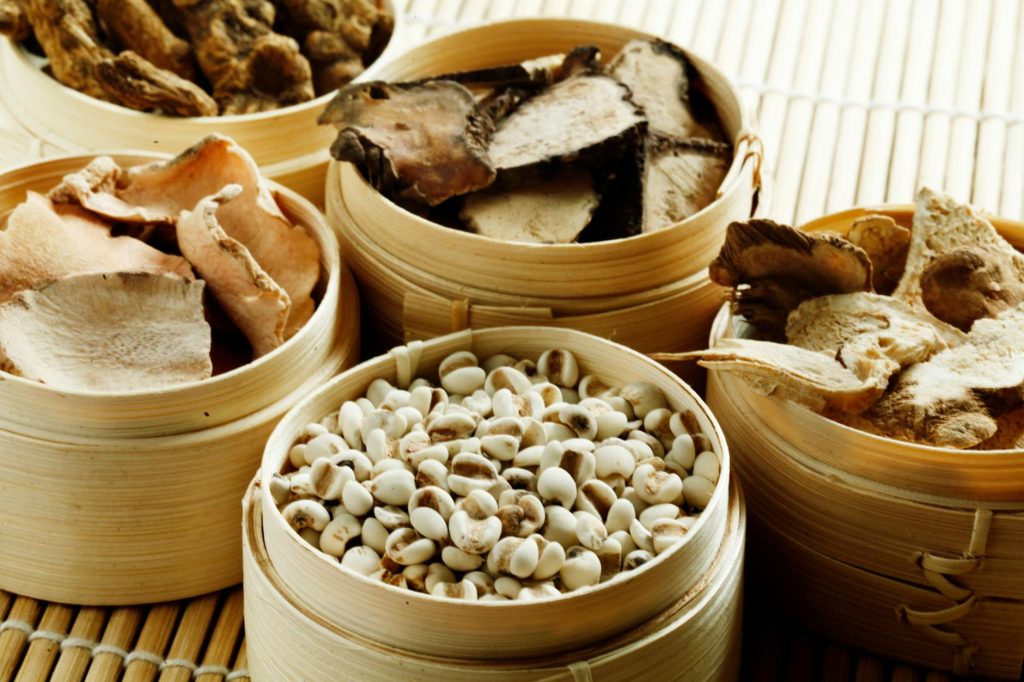
- herbal medicine
- manual therapy
- dietary guidance
- movement and breathing practices
Because treatment is guided by patterns, these approaches can be adapted as patients change. Healing is rarely linear, and treatment should not be rigid.
This adaptability is especially valuable in complex cases where symptoms evolve, treatments interact, or recovery plateaus.
A Medicine That Meets People Where They Are
At its core, TCM is accessible because it begins with careful listening and observations. It asks:
- How is the body responding?
- What is obstructed?
- What is depleted?
- What needs support to move, repair, or rest?
These questions apply to everyone, regardless of age, diagnosis, or setting.
Therefore, TCM continues to play a role in hospitals, rehabilitation settings, integrative oncology, pain management, and community care.
Increasing research in areas such as neuroimmune regulation, microcirculation, connective tissue signaling, and autonomic balance offers an emerging language for physiological processes long described in classical TCM texts, helping to bridge traditional observation with modern biomedical understanding.
Opening the Conversation
As healthcare grows more specialized, there is an increasing need for systems that can connect the dots between symptoms, treatments, and lived experiences.
TCM provides a language for this connection.
My work focuses on using traditional diagnostic methods and classical treatment principles to support healing across a wide range of conditions, always in dialogue with modern medicine and the realities of clinical practice.
If you are a healthcare professional, researcher, or institution interested in expanding the approach to healing and recovery, I welcome thoughtful conversations and collaborations.
Because even when the diagnosis is clear or unclear, the body is always telling a story.
This story is often where healing begins.
Copyright & License
© 2026 Greg Zimmerman, L.Ac., M.S.
All Rights Reserved.
Licensed under CC BY-NC 4.0
This work is licensed under a Creative Commons Attribution-NonCommercial 4.0 International License. You may share and adapt this material for non-commercial purposes with proper attribution.
Cite This Article
For permissions beyond the scope of this license, please contact us.