A Pattern-Based Introduction to a Foundational Formula
In this series of articles, I will introduce commonly used classical Chinese herbal formulas with a focus on how and when to use them clinically. Each article will present the formula’s origin, composition, dosage, and core pattern of disease, along with key diagnostic points that help practitioners recognize when a formula is appropriate.
This first article focuses on Gui Zhi Tang 桂枝湯 (Cinnamon Twig Decoction), one of the most important and frequently used formulas in the classical tradition.
Source Texts and Historical Context
Gui Zhi Tang originates in the Shāng Hán Lùn (《傷寒論》, Treatise on Cold Damage), attributed to Zhang Zhongjing (張仲景, ca. 150–219 CE). It is primarily indicated for the Taiyang Zhongfeng 太陽中風 pattern—often translated as “Wind Strike” of the Greater Yang stage.
The formula also appears in the Jīn Guì Yào Lüè (《金匱要略》, Essential Prescriptions of the Golden Cabinet), where it is applied beyond acute externally contracted disease, reflecting its broader relevance in internal medicine and chronic conditions when the same underlying pattern is present.
Formula Composition and Dosage
Gui Zhi Tang 桂枝湯
-
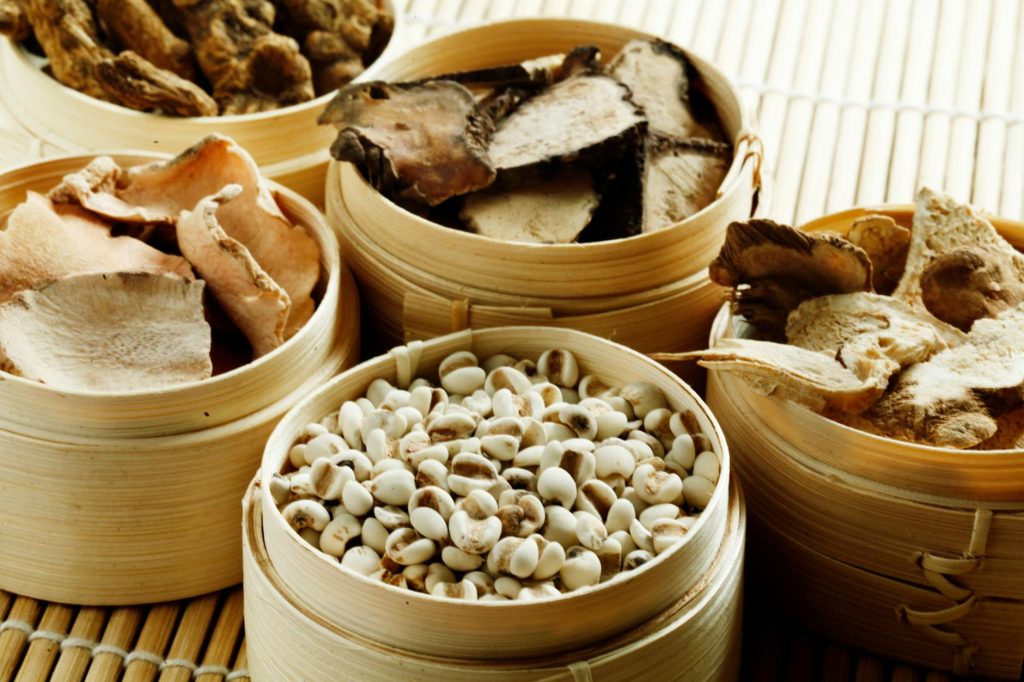
Gui Zhi 桂枝 (Cinnamomi Ramulus) – 9 g
-
Shao Yao 芍藥 (Paeoniae Radix, traditionally Bai Shao) – 9 g
-
Sheng Jiang 生薑 (Zingiberis Rhizoma Recens) – 9 g
-
Da Zao 大棗 (Jujubae Fructus) – 12 g (approximately 3–4 pieces)
-
Zhi Gan Cao 炙甘草 (Honey-Fried Glycyrrhizae Radix) – 6 g
Note: Dosages reflect common modern clinical proportions derived from the classical text. Adjustments may be required based on patient constitution, condition, and preparation method.
Pattern of Disease: Taiyang Zhongfeng 太陽中風
Gui Zhi Tang treats Taiyang Zhongfeng, a pattern characterized by an externally contracted wind pathogen entering the Taiyang level in a patient with relatively weak defensive qi (衛氣).
Unlike Taiyang Shanghan 太陽傷寒 (Cold Damage), where the exterior is closed and sweating is absent, Taiyang Zhongfeng presents with a disharmony between the ying (營) and wei (衛), resulting in spontaneous sweating.
Key Signs and Symptoms
-
Aversion to wind
-
Fever
-
Spontaneous sweating
-
Headache
-
Nasal congestion or mild respiratory symptoms
-
Palpitations or a sense of disharmony
-
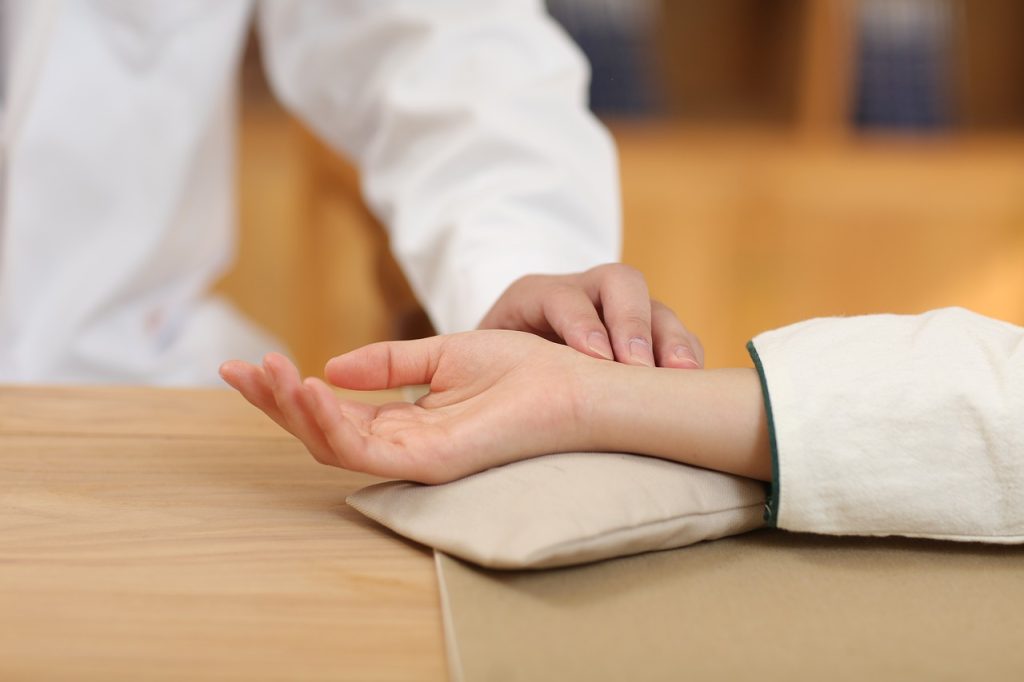
Pulse: Floating and moderate (浮緩)
-
Tongue: Typically normal or slightly pale, with a thin white coating
The defining feature is not the presence of sweating alone, but the quality of sweating—spontaneous, unregulated, and accompanied by aversion to wind.
Therapeutic Strategy and Formula Actions
The classical action of Gui Zhi Tang is:
To release the exterior while harmonizing the ying and wei
解肌發表,調和營衛
This dual action is what distinguishes Gui Zhi Tang from formulas that simply induce sweating.
Roles of the Individual Herbs
-
Gui Zhi 桂枝: Warms and unblocks the yang, assists the wei qi, releases the exterior, and promotes circulation in the channels.
-
Shao Yao 芍藥: Preserves the ying, moderates tension, and prevents excessive dispersion; it balances Gui Zhi by anchoring the interior.
-
Sheng Jiang 生薑: Assists Gui Zhi in releasing the exterior and warms the middle.
-
Da Zao 大棗: Nourishes the middle burner, supports the ying, and moderates the harshness of dispersing herbs.
-
Zhi Gan Cao 炙甘草: Harmonizes the formula and supports qi, reinforcing the balance between ying and wei.
Together, these herbs exemplify a harmonizing strategy rather than a purely attacking one.
Key Diagnostic Points for Clinical Use
Gui Zhi Tang is most effective when the practitioner recognizes:
-
An exterior pattern with spontaneous sweating
-
Aversion to wind greater than aversion to cold
-
A floating, moderate pulse rather than floating-tight
-
Signs of constitutional deficiency or weakened wei qi
Mistaking this pattern for Taiyang Shanghan and prescribing Ma Huang Tang 麻黃湯 instead can aggravate sweating and weaken the patient further.
Brief Case Illustration
A middle-aged patient presents with fever, headache, spontaneous sweating, and marked aversion to wind following mild exposure to cold weather. The patient reports fatigue and palpitations, and prefers warm drinks. The pulse is floating and moderate.
Rather than suppressing sweating or using a strongly dispersing formula, Gui Zhi Tang is prescribed to harmonize the exterior and regulate the ying–wei relationship.
Within two days, sweating normalizes, aversion to wind resolves, and energy returns.
Variants of similar cases are described in the Shang Han Lun and later commentaries, including those attributed to Cheng Wu Ji (成無己).
Beyond the Basics
Gui Zhi Tang serves as the foundation for many related formulas and adaptations. Its principles extend far beyond acute exterior disease and into gynecology, internal medicine, and chronic disorders—when the same pattern logic applies.
In future articles and courses, I will explore:
-
Pathological mechanisms underlying ying–wei disharmony
-
Classical and modern modifications
-
Dosage strategies and preparation methods
-
Related formulas derived from Gui Zhi Tang
Understanding why Gui Zhi Tang works is ultimately more important than memorizing when it is listed.
Learn More
If you are interested in developing clinical confidence through pattern identification and classical formula thinking, more comprehensive discussions—including advanced case analysis—are available through courses offered at Greg’s TCM Teahouse.
This article is intended for educational purposes and for qualified practitioners of traditional East Asian medicine.
Copyright & License
© 2025 Greg Zimmerman, L.Ac., M.S.
All Rights Reserved.
Licensed under CC BY-NC 4.0
This work is licensed under a Creative Commons Attribution-NonCommercial 4.0 International License. You may share and adapt this material for non-commercial purposes with proper attribution.
Cite This Article
For permissions beyond the scope of this license, please contact us.